Practical guide to preparing heavy clay soil for UK gardens
If you garden in the UK, chances are you have met clay soil at some point. It holds water after rain, turns brick-hard in dry spells, and can make even confident gardeners mutter under their breath. Still, heavy clay is not a dead end. With the right preparation, it can become a productive, resilient base for borders, lawns, hedges, shrubs, and even veg beds.
This Practical guide to preparing heavy clay soil for UK gardens is designed to help you work with the soil you have, not fight it every season. You will learn how to spot the signs of clay, improve structure without making things worse, and choose the right method for your space, budget, and planting goals. To be fair, a lot of the frustration comes from trying to rush the process. Clay asks for patience. But it does reward it.
And yes, a wet boot that refuses to come out of the border is a fairly good clue you are dealing with the real thing.
Table of Contents
- Why preparing heavy clay soil matters
- How clay soil preparation works
- Key benefits and practical advantages
- Who this is for and when it makes sense
- Step-by-step guidance
- Expert tips for better results
- Common mistakes to avoid
- Tools, resources and recommendations
- Law, compliance, standards, or best practice
- Options, methods, or comparison table
- Case study or real-world example
- Practical checklist
- Conclusion
- Frequently asked questions
Why Practical guide to preparing heavy clay soil for UK gardens Matters
Heavy clay is common across many UK gardens, and it shapes almost everything that happens above ground. When soil particles are packed tightly together, water drains slowly, roots have less air, and the ground can compact easily under feet, wheelbarrows, or machinery. In winter, that means puddling and sour, sticky beds. In summer, the same soil can crack and behave like baked pottery.
That is why preparation matters before you plant, reseed, lay turf, or design a new border. If you skip the groundwork, plants may struggle even if you choose good species. Roots sit in cold, wet soil too long. Lawns become spongy and thin. Paving can shift. Even simple jobs like digging a planting hole become a wrestling match.
For larger projects, clay preparation also affects the long-term success of landscaping features, drainage plans, and ongoing maintenance. If you are planning a full garden refresh, it helps to think about the soil as the foundation, not the last step. A well-prepared base makes future work calmer, cheaper, and far less frustrating. That is the honest bit most glossy garden pictures leave out.
Clay can actually be valuable. It often holds nutrients well and can support lush growth once its structure improves. So the goal is not to remove clay. The goal is to improve its crumb structure, drainage, and workability so plants can breathe, root, and thrive.
How Practical guide to preparing heavy clay soil for UK gardens Works
Preparing heavy clay soil is not about one magic additive. It is a process of changing the soil's physical structure over time. In practice, you are trying to create more pore spaces so air and water can move through the ground instead of sitting on top of it. That usually means adding organic matter, reducing compaction, improving surface drainage, and choosing planting methods that suit wet, sticky ground.
The best approach depends on what you want to grow. A mixed ornamental border needs different treatment from a lawn, a veg plot, or a hedge line. For example, a flower bed may benefit from generous compost and repeated mulching. A lawn may need levelling, aeration, and sand-based topdressing. A vegetable patch may need raised beds because, let's face it, nobody enjoys losing a whole row of seedlings to waterlogging after a typical British downpour.
Good clay preparation also follows the weather. Work the ground when it is moist but not wet. If it smears into shiny ribbons on your spade, stop. If it crumbles slightly, you are in a better window. For many UK gardeners, autumn and early spring offer the most useful opportunities, but timing still depends on local conditions and rainfall.
One important clarification: adding sand to clay sounds sensible, but in the wrong proportions it can create something close to concrete. That is one of the most common errors. The safer route is to focus on organic matter and practical water management first.
Key Benefits and Practical Advantages
When heavy clay is prepared properly, the whole garden feels easier. Here are the main benefits people notice:
- Better drainage: water moves through the soil instead of pooling on the surface.
- Healthier roots: plants can spread roots more freely when the ground is looser and better aerated.
- Improved soil life: worms, fungi, and microbes work better in a balanced, organic-rich soil.
- Easier maintenance: digging, planting, and weeding become less of a slog.
- Stronger planting success: perennials, shrubs, hedges, and lawns all establish more reliably.
- Reduced compaction: the soil is less likely to turn into a slab under regular foot traffic.
There is also a visual benefit that people underestimate. Clay soil that has been improved properly tends to support stronger growth and healthier foliage. Borders look fuller. Evergreen planting settles in better. Even simple ground cover can make a bigger difference, especially where bare soil tends to crust or weed over. If that is the kind of finish you want, a bit of planning goes a long way. You might also find ideas from ground cover planting ideas for UK gardens useful once the soil starts behaving.
For some gardens, clay preparation is also about design freedom. A healthier base makes it easier to create seating areas, edging, small lawns, and borders that feel finished rather than temporary. If you are thinking bigger, the topic connects neatly with cost-effective garden improvements and even broader landscaping work.
Who This Is For and When It Makes Sense
This guide is for anyone who looks at their garden after rain and thinks, "Well, that is not ideal." More specifically, it helps if you are:
- starting a new garden in a clay-heavy area
- struggling with waterlogged borders or patchy lawns
- replanting an old, tired bed
- trying to improve soil before adding shrubs, hedges, or perennials
- planning a veg patch, raised bed, or mixed-use family garden
- managing a property where poor drainage is affecting appearance or use
It also makes sense if your garden gets a lot of traffic. Clay soils compact quickly, so paths, play areas, and access routes need thought. If your outside space is part garden, part practical zone, the soil underneath those surfaces matters more than people often realise.
Sometimes preparation is urgent. A border may already be struggling. Sometimes it is preventative. You might be designing a new garden and want to avoid future headaches. Either way, the principles are the same: improve soil structure, protect it from compaction, and choose plants that fit the site rather than forcing unsuitable ones into it.
If your project sits alongside maintenance work such as hedge care, lawn work, or larger seasonal tidy-ups, it can help to look at broader services like garden maintenance, lawn care, or even hedge trimming as part of a joined-up approach.
Step-by-Step Guidance
Here is the practical part. Keep it simple, keep it steady, and do not try to fix everything in one afternoon.
1. Assess the soil properly
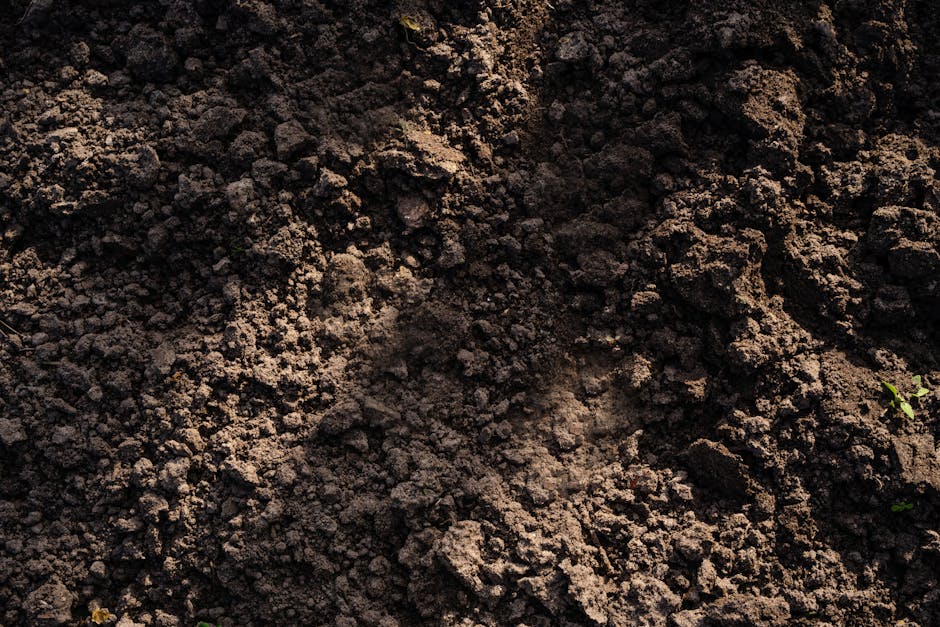
Start with a spade test. Dig a small hole and look at the soil texture, moisture, colour, and smell. Clay often feels sticky when wet and dense when dry. If the soil holds shape in your hand, rolls into a ribbon, or leaves a slick finish on the spade, you are dealing with a high-clay profile.
Also check how water behaves after rain. Does it disappear within a few hours, or sit there until the next day? Is the problem localised to one part of the garden or spread throughout? Those details affect the fix.
2. Avoid working wet clay
This sounds basic, but it is where many people go wrong. Walking on wet clay compacts it further. Digging it too wet smears the structure. If you have ever tried to break apart a muddy boot-sucking bed in March, you will know the feeling. Wait until the ground is workable, not glossy and sticky.
3. Improve structure with organic matter
Add well-rotted compost, leaf mould, garden compost, or well-aged manure where suitable. Work it into the top layer rather than burying it too deep. This helps create better crumb structure and encourages soil organisms to do their part. Over time, this is one of the most reliable ways to improve clay.
Do not expect overnight transformation. Clay changes gradually. Think in seasons, not days.
4. Protect the surface with mulch
Once beds are improved, mulch them. Organic mulch helps reduce surface crusting, suppress weeds, and moderate moisture. It also shields the soil from heavy rain impact, which is useful in UK weather where a mild drizzle can turn into a proper soak by tea-time.
Use mulch around shrubs, perennials, and borders, but keep it away from stems and trunks. A tidy gap is enough.
5. Deal with compaction
If the soil is compacted, aeration may be needed. For lawns, use a hollow-tine aerator if appropriate. For beds, gently fork the soil without flipping the layers too aggressively. The aim is to open channels for air and water, not pulverise the soil into dust.
6. Improve drainage where needed
Sometimes soil improvement alone is not enough. If a garden has a persistent wet patch, you may need physical drainage solutions: regrading, creating shallow swales, building raised beds, or adding a French drain in more serious cases. This is where professional landscaping advice can be useful, especially if water is affecting structures, paving, or access routes.
7. Choose plants suited to clay
Heavy clay is not an invitation to plant anything and hope for the best. Pick species that tolerate heavier soils and seasonal moisture changes. Strong-rooted shrubs, many native plants, and some shade-tolerant options cope well once the soil is improved. If your garden has awkward light levels too, you might also like evergreen climbers for shaded spaces for ideas that work well in tougher conditions.
8. Maintain the improvement
Preparation is not a one-off job. Feed the soil annually, top up mulch, avoid unnecessary digging, and keep heavy traffic off wet beds. Small habits matter. Really matter.
Expert Tips for Better Results
In our experience, the best clay soil results come from small, repeated improvements rather than dramatic interventions. Here are a few tips that tend to make a real difference:
- Use compost generously, but sensibly. Thin layers worked into the surface year after year often outperform one huge, rushed effort.
- Make paths intentional. A simple stepping route protects beds from compaction. This is especially helpful if children, pets, or wheelbarrows regularly cross the garden.
- Raise the planting level where roots hate wet feet. Even a modest mound can help sensitive plants settle better.
- Watch the edges of lawns and borders. Clay often fails first at transitions, where water and traffic meet.
- Pair soil work with garden design. A tidy, usable layout is easier to maintain, and it makes the soil underneath less vulnerable.
If you are also trying to create a calmer or more structured outdoor space, it is worth thinking beyond the soil. Seating, paths, planting rhythm, and drainage all work together. There is a nice crossover with simple zen garden ideas if you want the garden to feel peaceful as well as practical.
A small bit of advice from the real world: keep a note of what changes you make and how the garden responds after the next wet spell. That tiny habit can save a lot of guesswork later.
Common Mistakes to Avoid
Clay soil has a few traps. Once you know them, they are easier to sidestep.
- Digging when the soil is waterlogged. This smears the structure and creates more compaction.
- Adding too much sand. Unless it is part of a carefully balanced soil-building mix, this can make matters worse.
- Using plenty of organic matter once and then stopping. Clay usually needs ongoing improvement.
- Planting shallow-rooted or tender species in unprepared ground. They may survive for a while, then quietly decline.
- Ignoring drainage patterns. If water naturally sits in a certain corner, that needs addressing before planting.
- Over-tilling the soil. Excessive disturbance can damage structure and soil life.
There is also the "looks fine from the patio" mistake. A garden can appear tidy while the soil underneath is still completely unhappy. It is a bit like painting over damp plaster. Nice for a week, then the trouble comes back.
Tools, Resources and Recommendations
You do not need a van full of kit to prepare clay soil, but a few solid tools make the work safer and cleaner:
- sharp digging spade
- border fork or garden fork
- wheelbarrow for moving compost and mulch
- trowel for planting and smaller amendments
- rake for levelling and surface finish
- hose or watering can for controlled moisture checks
- gloves with decent grip, especially in cool weather
If you are taking on a larger job, the right equipment matters as much as the soil plan. A useful place to start is a practical guide to essential garden tools. For broader project planning, starter gardening tips can help you sequence the work without doing everything at once.
For gardens with a lot of waste material, branches, or old organic debris, composting is a smart companion to clay improvement. Turning green waste into usable compost supports the long-term soil structure instead of hauling everything away. That said, woody debris and diseased material need separating properly. It is one of those jobs that is simple once you get into the rhythm.
If the job is part of a bigger redesign, services like gardening services, landscaping, or patio cleaning can help bring the rest of the garden up to the same standard, especially when muddy access, old surfaces, or neglected edges are involved.
Law, Compliance, Standards, or Best Practice
For most home gardens, preparing clay soil is a practical gardening task rather than a regulated activity. Even so, there are some sensible standards and norms to keep in mind. If you are bringing in large volumes of soil, compost, mulch, or waste, use reputable suppliers and avoid materials that look contaminated or poorly processed. If the garden adjoins a neighbour's boundary, keep any excavation, drainage changes, or spoil storage within your own land and avoid creating run-off issues for adjacent properties.
For work involving machinery, sharp tools, or significant ground disturbance, good practice matters. Wear appropriate footwear, gloves, and eye protection where needed. If you are using contractors, it is reasonable to ask about insurance, safety procedures, and how they manage waste. A trustworthy provider should be able to explain this clearly. You can usually learn a lot from their policies, such as health and safety information, insurance and safety guidance, and straightforward terms and conditions.
If you need clarity on how a project is priced or delivered, check the company's published pricing and quotes information. For questions about access, rights, or complaints, the support pages are there for a reason, not just decoration. That sort of transparency is reassuring, and it should be.
One more practical point: if you plan to alter levels, install drainage, or remove substantial roots or trees, it may be sensible to consider whether the work touches on tree surgery, fencing, or structural garden features. That is when careful planning prevents problems later on.
Options, Methods, or Comparison Table
Different clay soil problems need different responses. Here is a simple comparison of common approaches.
| Method | Best for | Strengths | Limits |
|---|---|---|---|
| Adding compost or leaf mould | Borders, veg areas, general soil improvement | Builds structure, supports soil life, easy to repeat | Takes time; not instant drainage relief |
| Surface mulching | Established beds and shrub areas | Protects soil, reduces crusting, suppresses weeds | Works best alongside other improvements |
| Aeration | Lawns and compacted areas | Improves air and water movement | Needs repeating; results vary with soil condition |
| Raised beds | Vegetables, herbs, sensitive plants | Bypasses poor ground, warms earlier, better control | Needs materials, building work, and maintenance |
| Drainage installation | Persistent wet patches and access problems | Addresses underlying water issues | More invasive and usually higher cost |
In practice, a blend usually works best. Many UK gardens benefit from compost, mulch, and a targeted drainage fix in the worst spots. Trying to use just one solution everywhere can be disappointing.
Case Study or Real-World Example
Imagine a typical family garden in a suburban UK street. The rear lawn is patchy. The border nearest the fence is soggy after rain. The owners want a neater space for seating, a better place for shrubs, and less mud being dragged indoors after a wet week in November.
First, the problem areas are mapped. The central lawn is compacted but not hopeless, while the border beside the fence stays wetter than the rest. Rather than digging the entire garden at once, the work is phased. Compost is added to the border, mulch is laid after planting, and the lawn is aerated to improve airflow. A small level change helps water move away from the worst patch. The planting plan shifts toward stronger shrubs and a few tougher ground-cover options, while the most water-sensitive plants are kept out of the wettest corner.
After one season, the change is not dramatic in a glossy-before-and-after way. But it is real. The mud is reduced. The lawn recovers faster. The border is easier to plant. The garden no longer feels like it is fighting the weather every week. That is often the true win with clay soil. Not perfection. Just a garden that starts to work with you.
If a property has mature planting, hedges, or boundary trees contributing to shade and wetness, the issue may sit beyond the soil alone. In those cases, services such as tree surgery or fencing can play a part in opening up the space and improving the overall environment.
Practical Checklist
Use this checklist before you start.
- Check how water behaves after rain.
- Test whether the soil is clay-heavy by feel and texture.
- Wait until the ground is workable, not saturated.
- Remove weeds and obvious debris before improving the soil.
- Add well-rotted organic matter to build structure.
- Mulch exposed beds after planting.
- Protect the soil from compaction with paths or stepping points.
- Choose plants that tolerate heavier soil or improve the site first for sensitive species.
- Plan drainage if water sits in one place repeatedly.
- Review the area after the next heavy rain and adjust if needed.
Simple, really. But the order matters.
Get a free quote today and see how much you can save.
Conclusion
Preparing heavy clay soil for a UK garden is rarely glamorous, but it is one of the most worthwhile jobs you can do. Once the ground drains better, roots breathe more easily, and your planting choices open up, the whole garden becomes less of a battle and more of a place to enjoy. The trick is to think long-term, work with the seasons, and improve the soil in steady layers rather than forcing a quick fix.
If you remember only one thing, let it be this: clay soil is not your enemy. It is just demanding. Meet it on its own terms, keep at it, and the results can be genuinely lovely. A bit muddy at first, yes. But worth it.
Frequently Asked Questions
What is the best way to prepare heavy clay soil in a UK garden?
The best approach is usually to add plenty of well-rotted organic matter, avoid working the soil when wet, reduce compaction, and mulch regularly. For severe drainage problems, raised beds or drainage work may also be needed.
Should I add sand to clay soil?
Usually not on its own. Adding sand to clay without the right balance can create a dense, concrete-like texture. Organic matter is the safer and more reliable first step.
When is the best time to work on clay soil?
Work clay soil when it is moist but not waterlogged. In many UK gardens that means autumn or early spring, but local weather is the real guide. If it smears, wait.
How do I know if my garden has heavy clay soil?
Clay soil feels sticky when wet, forms a dense lump, and often holds water for longer after rain. It may also become hard and cracked in dry weather.
Can I grow vegetables in heavy clay soil?
Yes, but it often helps to improve the soil first or use raised beds. Vegetables generally perform better when roots can move through loose, fertile, well-drained soil.
Will compost alone fix clay soil?
Compost helps a lot, but usually not instantly. It improves structure over time, especially when used regularly alongside mulching and sensible garden traffic control.
What plants grow well in prepared clay soil?
Many shrubs, perennials, hedging plants, and some ground covers can do well once the soil is improved. The key is matching the plant to the site's moisture and light conditions.
How can I improve a waterlogged clay border?
Start by checking whether the problem is surface water or deeper drainage. Then add organic matter, mulch the surface, and consider raising the bed or installing drainage if the issue keeps returning.
Do I need professional help for clay soil improvement?
Not always. Small borders and basic soil improvement are often manageable as DIY work. But if the garden has serious drainage issues, large lawns, access problems, or part of a wider redesign, professional help can save time and repeated effort.
Can clay soil be good for plants?
Absolutely. Once improved, clay soil can hold nutrients well and support strong growth. It is often more productive than people expect.
How often should I add organic matter?
Most clay soils benefit from regular seasonal improvement, often once a year or as part of ongoing border maintenance. Little and often is generally better than one large overhaul.
What should I avoid doing on clay soil after heavy rain?
Avoid digging, driving, or walking repeatedly over it. Wet clay compacts very easily, and recovery can take much longer than most gardeners want to admit.
Can clay soil affect lawns as well as borders?
Yes. Clay can cause poor drainage, moss, thinning turf, and compaction in lawns. Aeration, topdressing, and better traffic management are often helpful.
Where can I get help if my clay soil problem is part of a bigger garden project?
If the issue is tied to drainage, redesign, hedges, lawns, or access routes, it may be worth speaking to a garden professional. You can start with the company's general information and contact options via about us or contact the team for advice.