Landscape Gardening in Temple: Creating Beautiful, Functional Outdoor Spaces
Why Landscape Gardening in Temple Matters
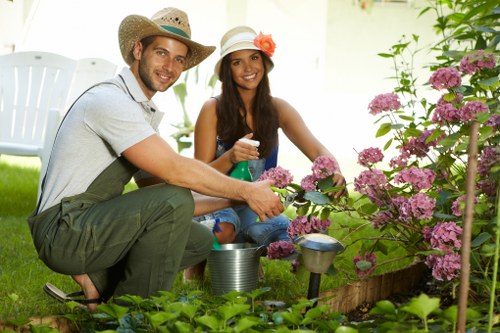
Landscape gardening in Temple is more than adding a few plants to a yard. It is the thoughtful design of outdoor spaces that can improve curb appeal, increase property value, and make daily living more enjoyable. In a city where weather conditions, soil types, and neighborhood styles can vary, a well-planned outdoor area brings lasting benefits to homeowners and businesses alike.
A successful landscape gardening in Temple project blends beauty with practicality. That means choosing plants that can handle local conditions, arranging hardscapes in a way that supports movement and use, and creating a design that feels natural rather than forced. Whether the goal is a peaceful backyard retreat, a welcoming front yard, or a commercial landscape that stands out, the right approach makes all the difference.
For many property owners, the appeal of landscape gardening Temple lies in the balance between low maintenance and high impact. Native grasses, shade trees, flowering shrubs, and seasonal color can all work together to create a yard that looks polished while remaining manageable. With the right plan, even a modest space can become an inviting extension of the home.
Understanding the Local Conditions in Temple
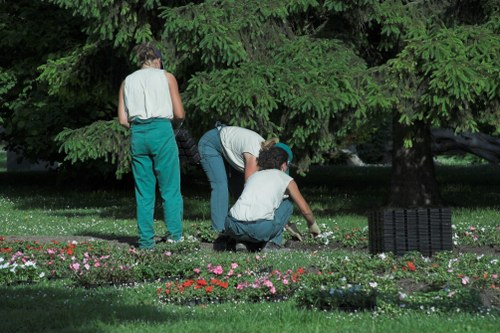
Before starting any landscape gardening in Temple project, it helps to understand the local environment. Temple experiences warm summers, periodic drought concerns, and occasional temperature swings that can affect plant health. These conditions make plant selection, irrigation planning, and soil preparation especially important.
Soil in the area may require amendments depending on its texture and drainage. Some yards have clay-heavy soil that holds water, while others may drain too quickly and struggle to support lush growth. A smart Temple landscape gardening plan accounts for these variations by improving the soil structure and selecting plants suited to the site.
Sun exposure also matters. Front yards with full sun need different plants than shaded back gardens beneath mature trees. By evaluating where sunlight falls throughout the day, a landscape gardener can place plants where they will thrive. This kind of planning is essential for long-term success and helps avoid repeated replacements or costly maintenance later.
Core Elements of a Strong Landscape Gardening Plan
Design, Structure, and Planting Harmony
Every effective landscape gardening in Temple project begins with a plan. That plan should consider how the space will be used, what style best suits the property, and how to balance hard elements with living features. A strong landscape design creates order while still feeling organic and welcoming.
Key elements often include planting beds, walkways, edging, turf areas, focal points, and decorative features. These components work together to create layers and depth. For example, taller shrubs can form a backdrop, mid-height perennials can add color, and ground covers can soften edges. When these elements are arranged with intention, the yard feels complete and cohesive.
In landscape gardening Temple, structure is just as important as planting. Borders, retaining walls, patios, and stepping stones give the garden a sense of direction. They also improve usability by defining spaces for relaxation, entertaining, and movement. A well-structured outdoor area feels easier to maintain and more enjoyable to use throughout the year.
Choosing the Right Plants for Temple Landscaping
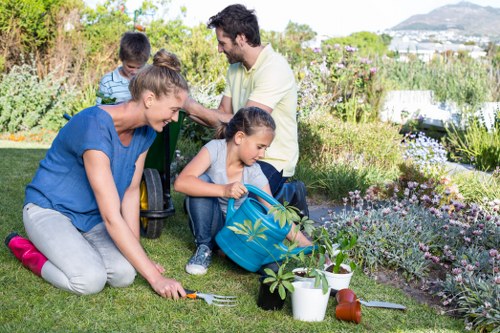
Plant selection is one of the most important decisions in landscape gardening in Temple. The best plants are not always the most exotic or colorful ones; they are the ones that will grow well in local conditions. Choosing drought-tolerant, heat-resistant, and pest-aware species can reduce maintenance while keeping the landscape attractive.
Many property owners benefit from using a mix of native and adapted plants. Native species typically require less water and are more resilient to local conditions. Adapted ornamental plants can add texture, fragrance, and seasonal interest without demanding excessive care. A balanced plant palette often includes evergreens, flowering shrubs, ornamental grasses, and seasonal blooms.
Popular categories for landscape gardening Temple may include shade trees for cooling, flowering perennials for visual interest, and hardy ground covers for difficult areas. When selected carefully, plants can provide year-round structure and color. This allows the garden to stay visually appealing even when certain flowers are not in bloom.
Helpful Plant Selection Tips
- Choose plants suited to Temple’s heat and seasonal variations.
- Match plant size to the available space to avoid overcrowding.
- Group plants with similar water needs together.
- Use evergreen plants for consistent structure.
- Include pollinator-friendly flowers for added ecological value.
Soil Preparation and Irrigation Strategies

Healthy gardens start below the surface. In landscape gardening in Temple, soil preparation can determine whether plants flourish or struggle. Testing the soil helps reveal pH levels, nutrient deficiencies, and drainage issues. Based on those results, compost, mulch, and other amendments can be added to improve growing conditions.
Good irrigation is equally important. Because Temple can experience hot periods and dry spells, efficient watering systems help conserve resources while keeping plants healthy. Drip irrigation, soaker hoses, and smart timers are often excellent choices for residential and commercial landscapes. These systems deliver water where it is needed most and reduce waste caused by evaporation or runoff.
Mulching is another valuable practice in Temple landscape gardening. A layer of mulch helps regulate soil temperature, retain moisture, and suppress weeds. It also creates a clean, finished appearance around trees, shrubs, and flower beds. When combined with proper watering, mulch can significantly improve plant health and reduce maintenance demands.
Hardscaping Features That Enhance the Landscape
Hardscaping adds structure, function, and visual contrast to landscape gardening in Temple. These non-living elements include patios, retaining walls, pathways, edging, pergolas, and seating areas. When designed well, they transform outdoor spaces into usable environments rather than just decorative ones.
A patio can serve as the center of outdoor entertaining, while a stone walkway can connect garden zones and make movement easier. Retaining walls can solve slope issues, create terraced planting beds, and provide an attractive architectural feature. In many landscape gardening Temple projects, hardscape design is what makes the difference between a simple yard and a fully functional outdoor living space.
Materials should be selected with both style and climate in mind. Natural stone, pavers, brick, and concrete all offer different looks and levels of durability. The best option depends on the property’s design style, budget, and intended use. When hardscape and planting design are coordinated, the result feels polished and intentional.
Common Hardscape Additions
- Patios for dining and relaxing.
- Walkways for safe and attractive navigation.
- Retaining walls for elevation changes.
- Raised beds for easier planting and maintenance.
- Outdoor seating areas for family and guests.
Design Styles That Work Well in Temple
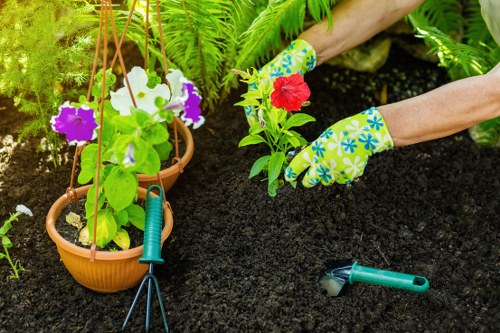
One of the appealing aspects of landscape gardening in Temple is the flexibility to work with many design styles. Some property owners want a classic and formal look, while others prefer a relaxed, natural feel. The key is choosing a style that complements the home and matches the way the outdoor space will be used.
A modern landscape may use clean lines, simple plant palettes, and geometric hardscape shapes. A traditional landscape might feature symmetrical beds, flowering shrubs, and neatly trimmed hedges. A more natural style may rely on layered plantings, native grasses, and curved pathways. Each of these styles can work well in Temple landscape gardening when adapted to the property and climate.
It is also common to blend styles. For example, a front yard may be designed with a neat, structured layout, while the backyard leans toward a softer, more relaxed atmosphere. This layered approach allows property owners to enjoy both visual order and a comfortable outdoor experience. The most successful landscapes feel personal, practical, and connected to the architecture of the home.
Seasonal Maintenance for Long-Term Results
Once a landscape gardening in Temple project is installed, ongoing maintenance helps keep it healthy and attractive. Maintenance does not have to be difficult, but it should be consistent. Regular care prevents small issues from becoming expensive problems and helps the garden stay in top condition throughout the year.
Seasonal tasks may include pruning shrubs, refreshing mulch, trimming turf, checking irrigation systems, and replacing annual flowers. In warmer months, watering and pest monitoring become especially important. In cooler periods, it may be time to clean beds, inspect plants for damage, and plan future improvements. A proactive landscape gardening Temple routine keeps the outdoor environment fresh and inviting.
Many homeowners appreciate maintenance plans because they simplify the process and protect their investment. Even if the landscape is designed to be low maintenance, it still benefits from seasonal attention. A beautiful yard is not created once and forgotten; it evolves with the care it receives over time.
Seasonal Care Checklist
- Inspect irrigation equipment for leaks or clogs.
- Prune damaged or overgrown branches.
- Apply mulch as needed to maintain coverage.
- Remove weeds before they spread.
- Replace weak plants to preserve design balance.
Eco-Friendly Practices in Landscape Gardening
Sustainability is becoming a bigger priority in landscape gardening in Temple. Many property owners want outdoor spaces that look good while using fewer resources. Eco-friendly landscaping can reduce water use, support local wildlife, and lower long-term maintenance costs.
Some of the most effective green practices include using native plants, installing efficient irrigation, collecting rainwater where possible, and reducing lawn areas that require frequent mowing. Composting organic material and choosing organic soil amendments can also help improve the health of the landscape without relying heavily on chemicals. These practices are especially valuable in Temple landscape gardening, where climate considerations make water conservation an important goal.
Pollinator-friendly gardens are another excellent choice. By planting flowers that attract bees, butterflies, and hummingbirds, a landscape becomes both beautiful and ecologically useful. A well-designed eco-friendly yard supports biodiversity while remaining elegant and practical. This makes it possible to enjoy a lush outdoor space without wasting time, water, or energy.
Landscape Gardening for Front Yards and Backyards
Front and back outdoor spaces serve different purposes, so landscape gardening in Temple should be tailored accordingly. The front yard is often about first impressions. It should look neat, welcoming, and coordinated with the home’s exterior. The back yard, on the other hand, is usually more personal and may focus on relaxation, privacy, and entertainment.
In front yards, curb appeal is often improved with trimmed foundation plantings, a clear walkway, colorful accents, and a healthy lawn or ground cover. In backyards, homeowners may want privacy hedges, shade trees, seating areas, or garden beds for flowers and herbs. A thoughtful Temple landscape gardening design can create distinct zones without making the property feel disconnected.
When both areas are planned together, the result is a home that feels complete from every angle. Each zone can have its own purpose while still using consistent materials, colors, and plant types. This consistency strengthens the overall visual identity of the property and helps the landscape feel cohesive.
How Professional Planning Improves the Outcome
While some property owners enjoy working on outdoor projects themselves, professional planning often leads to better results in landscape gardening in Temple. A trained landscape designer can identify site challenges early, recommend appropriate materials, and create a layout that is attractive, efficient, and realistic to maintain.
Professional planning also helps prevent expensive mistakes. Plants may be spaced too closely, irrigation may be placed inefficiently, or hardscape materials may be chosen without considering drainage and heat resistance. A skilled approach to landscape gardening Temple takes all of these factors into account before installation begins.
Another advantage is the ability to create a long-term vision. Rather than making random changes over time, the landscape can be developed in phases that build toward a finished result. This strategy is especially useful for larger properties or spaces with unique needs. It allows the landscape to mature gracefully and stay aligned with the homeowner’s goals.
Signs Your Landscape Needs a Redesign
- Plants are struggling despite regular care.
- The yard feels crowded or poorly organized.
- Water use seems excessive.
- Outdoor spaces are underused.
- The current layout no longer fits your lifestyle.
Creating Outdoor Spaces You Can Actually Use
One of the best outcomes of landscape gardening in Temple is a yard that invites people outside. Beautiful gardens are valuable, but functional outdoor spaces are even better. A landscape should support everyday life, whether that means enjoying coffee on the patio, hosting family gatherings, or simply relaxing in a shaded corner.
To make a yard more usable, consider how people move through it and where they naturally want to spend time. Seating, shade, lighting, and defined activity zones can all improve comfort. In many Temple landscape gardening projects, the most memorable spaces are the ones that feel both scenic and practical.
Outdoor usability should also account for safety and accessibility. Clear paths, non-slip surfaces, proper lighting, and manageable step heights all help make the landscape easier to enjoy. When beauty and function work together, the property becomes a true extension of the home rather than just an area to maintain.
Final Thoughts on Landscape Gardening in Temple
Landscape gardening in Temple offers an excellent opportunity to improve property appearance, increase comfort, and create outdoor spaces that fit local conditions. With the right mix of plants, soil preparation, irrigation, hardscaping, and maintenance, even a simple yard can become a standout feature of the home or business.
The most effective landscapes are designed with purpose. They reflect the property’s style, support the climate, and provide lasting value. Whether you are planning a small refresh or a full transformation, Temple landscape gardening can help you achieve a space that feels beautiful, manageable, and uniquely yours.
If you are ready to transform your outdoor area, now is the time to take the next step. Contact us today to discuss your ideas, explore design options, and bring your vision to life. Book your service now and start building a landscape that adds charm, function, and lasting appeal to your property.