Tree Lopping and Removal in Temple
Keeping Temple Properties Safe, Neat, and Healthy

Tree lopping and removal in Temple is an essential service for homeowners, landlords, business owners, and property managers who want to maintain safe, attractive, and functional outdoor spaces. In a town where trees add character, shade, privacy, and environmental value, proper tree care matters. When a tree becomes damaged, diseased, overgrown, or structurally unsafe, professional intervention can protect nearby people, buildings, driveways, and utilities.
Many property owners first notice the need for tree lopping and removal in Temple after a storm, visible decay, heavy branch growth, or roots beginning to interfere with hard surfaces. In other cases, a tree may not be dangerous yet, but it may be blocking sunlight, crowding other plants, or growing too close to a roof or boundary fence. These situations call for a careful assessment rather than guesswork.
Choosing the right approach is important. Some trees only need selective lopping, pruning, or crown reduction, while others require full removal because they are dead, unstable, or no longer suitable for the site. Professional tree services in Temple help ensure the job is completed safely, efficiently, and in line with local expectations for property care.
What Tree Lopping and Removal Actually Means

People often use the phrase tree lopping to describe cutting back branches, reducing height, or reshaping a tree. In practical terms, the work may include pruning, trimming, canopy reduction, or removing hazardous limbs. The goal is usually to improve safety, manage growth, and preserve the tree where possible. Tree lopping in Temple should always be approached carefully, because poor cutting practices can weaken a tree and create future problems.
Tree removal, on the other hand, means taking the entire tree down, including the trunk and often the stump. This is usually necessary when the tree is dead, severely diseased, leaning dangerously, interfering with structures, or causing ongoing damage to foundations, pipes, or paving. In Temple, removal may also be the best option when a tree species has outgrown the available space or is no longer viable in its location.
Understanding the difference between these services helps property owners make better decisions. A trusted arborist or tree surgeon can inspect the tree, explain the risks, and recommend whether tree lopping and removal in Temple is the best solution. Sometimes a targeted prune can solve the issue; in other cases, removal is the safer and more cost-effective choice.
Why Tree Lopping and Removal Matters in Temple
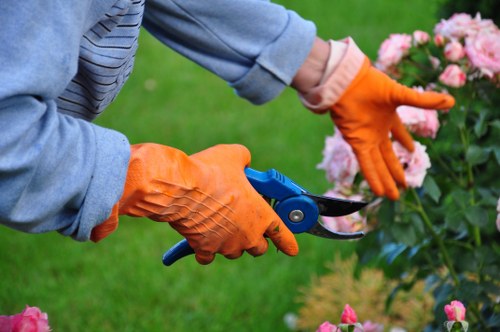
Temple properties benefit from mature trees, but unmanaged growth can quickly become a liability. Branches may hang over roads, footpaths, roofs, sheds, or neighboring land. In windy or stormy weather, weak limbs can break unexpectedly, causing damage or injury. That is why tree lopping and removal in Temple plays such a key role in property maintenance and risk reduction.
Another major reason is health and appearance. Trees affected by disease, pests, or poor growth patterns can decline over time and spoil the look of the landscape. If a tree is already struggling, selective pruning may improve air circulation and light exposure, which can support recovery. If the tree is beyond saving, removing it can prevent the spread of disease and open space for healthy replacement planting.
Tree work also helps with practical concerns. Overgrown roots can disrupt paths, driveways, retaining walls, and underground services. Dense canopies can block sunlight from gardens and interiors, making spaces darker and less inviting. By investing in tree lopping and removal in Temple, property owners can restore balance to the site while protecting the long-term value of the land.
Common Reasons Trees Need Lopping or Removal
There are many situations where tree lopping and removal in Temple becomes necessary. Some are urgent, while others develop gradually over time. Recognizing the warning signs early can save money and reduce safety risks.
- Dead or dying branches: brittle limbs can fall without warning.
- Storm damage: split trunks, cracked branches, and root disturbance can make trees unstable.
- Disease or decay: fungal growth, hollow sections, and discoloration can indicate internal weakness.
- Overgrown canopy: excessive height or spread can interfere with roofs, wires, and neighboring properties.
- Root problems: roots may lift paving, damage walls, or affect drainage systems.
- Structural imbalance: a tree leaning excessively may require urgent assessment.
- Construction work: trees may need to be removed or reduced to allow safe development.
In many Temple neighborhoods, mature trees are part of the appeal of the area. However, a tree that once looked beautiful can become hazardous if it is not maintained. Regular monitoring helps catch these issues before they become serious.
Property owners should not ignore visible signs of instability. If a tree sheds large limbs, drops bark, shows fungus at the base, or leans further after heavy rain, it may be time to arrange tree lopping and removal in Temple with a qualified specialist.
Safety First: Why Professional Help Is Essential
Tree work can be dangerous. Lopping branches and removing large trees often involves working at height, using chainsaws, handling heavy timber, and managing unpredictable forces within the tree. That is why tree lopping and removal in Temple should be left to trained professionals rather than treated as a do-it-yourself job.
Professionals use the right equipment, including climbing gear, ropes, rigging systems, elevated work platforms, and cutting tools designed for controlled operations. They also understand how to reduce the risk of falling limbs, property damage, and accidental contact with power lines or structures. In many cases, the safest approach is to dismantle a tree section by section rather than cutting it down in one movement.
Another important factor is the condition of the tree itself. A tree that appears solid on the outside may be weak inside due to rot or pest damage. Experienced arborists know how to assess these risks before work begins. This knowledge makes tree lopping and removal in Temple safer for the property, the workers, and everyone nearby.
How the Tree Assessment Process Works
A proper assessment is the starting point for any tree lopping and removal in Temple project. This inspection helps determine whether the tree can be retained, reduced, or must be taken down completely. It also ensures the work is planned efficiently and safely.
During the assessment, a tree specialist may check the following:
- The overall shape, height, and spread of the tree
- Signs of disease, decay, or pest activity
- Branch strength and canopy density
- Root condition and stability
- How close the tree is to buildings, fences, roads, and services
- Whether the tree is causing or likely to cause damage
The outcome of this inspection determines the best course of action. Sometimes crown thinning or selective branch removal is enough. In other cases, the risks are too high, and full removal is recommended. Either way, a professional opinion is more reliable than visual assumptions alone.
When a Tree May Still Be Saved
Not every problematic tree needs to come down. In some cases, strategic pruning or lopping can improve the tree’s balance and health. If the trunk is sound, the root system is stable, and only specific limbs are causing issues, tree lopping can extend the life of the tree while reducing hazards.
The Tree Lopping and Removal Process in Temple

Although every job is different, most tree lopping and removal in Temple projects follow a structured process. This helps ensure the work is controlled, tidy, and suitable for the property.
Step 1: Site inspection and planning The specialist inspects the tree and surrounding area, identifies hazards, and decides on the best method of work.
Step 2: Safety preparation Protective equipment is used, access points are arranged, and the area below the tree is cleared to keep people and vehicles safe.
Step 3: Branch reduction or sectional removal Depending on the job, branches may be lopped first, or the tree may be dismantled in stages from the top down.
Step 4: Trunk removal If the tree is being fully removed, the trunk is cut down in manageable sections and taken away safely.
Step 5: Stump treatment Stump grinding or stump removal may be recommended to prevent regrowth and make the area usable again.
Step 6: Cleanup All debris, branches, and timber are cleared from the site, leaving the area neat and ready for use.
This careful process reflects the professionalism expected from quality tree lopping and removal in Temple services.
Benefits of Professional Tree Lopping in Temple
When done correctly, tree lopping in Temple offers several important benefits. It can improve safety, restore light, and support the long-term condition of trees that are still worth keeping. It is also a practical way to manage growth without removing valuable greenery unnecessarily.
- Improved safety: reduces the chance of falling branches and storm-related damage
- Better light access: helps gardens, lawns, and indoor spaces receive more sunlight
- Healthier tree structure: removes weak, crowded, or diseased limbs
- Enhanced appearance: creates a cleaner, more balanced landscape
- Reduced property conflict: prevents branches from encroaching on boundaries or roofs
- Long-term savings: can help avoid major damage and emergency callouts
Tree lopping should always be done with care. Overcutting or improper pruning can leave trees vulnerable to infection, stress, and poor regrowth. This is why skilled tree lopping and removal in Temple is so important. The objective is not just to cut a tree back, but to do so in a way that supports the site and, where possible, the tree itself.
Healthy Trees Need Thoughtful Management
Well-managed trees can remain an asset for decades. Regular inspections and pruning help preserve their shape and reduce the likelihood of emergency work later on. A tree that is managed early often costs less to maintain than one left until it becomes dangerous.
When Tree Removal Is the Best Option
There are times when tree removal in Temple is the most responsible choice. If a tree is dead, structurally unsound, or causing major damage, keeping it in place can create ongoing danger. Removal may also be necessary when a tree is too large for the site or is affecting future plans for the property.
Common situations that may justify removal include:
- Severe internal decay that weakens the trunk
- Root failure causing instability
- Persistent disease that cannot be controlled
- Repeated limb drop that presents a hazard
- Conflict with buildings or infrastructure
- Dead trees that could collapse unexpectedly
Removal is not a decision to take lightly, especially where mature trees are involved. However, leaving a dangerous tree standing can be far more costly in the long run. A qualified service provider can explain the risks clearly and help you decide whether tree lopping and removal in Temple is the right step.
Planning for Replacement Planting
After a tree is removed, many property owners choose to plant a better-suited species in a safer location. This helps maintain shade, privacy, and environmental benefits while reducing future maintenance issues.
Environmental Considerations in Temple
Tree work should balance safety with environmental responsibility. Even when tree lopping and removal in Temple is needed, it is still possible to protect the local landscape and make sensible decisions for the future. A thoughtful approach considers the role each tree plays in the broader environment.
Whenever possible, selective pruning is preferred over removal because it preserves habitat and canopy coverage. Birds, insects, and other wildlife often rely on trees for shelter and feeding. If a tree must be removed, responsible practitioners may recommend replanting or habitat-friendly alternatives to maintain the ecological value of the site.
Waste management is another consideration. Branches, logs, and wood chips can often be recycled or repurposed rather than sent to landfill. This reduces waste and supports a more sustainable approach to tree lopping and removal in Temple. Clients who care about the environment should ask how material will be handled after the job is complete.
Choosing the Right Tree Service in Temple
Selecting a qualified provider for tree lopping and removal in Temple can make a major difference in safety, quality, and value. Not all tree work is the same, and the best results usually come from experienced professionals who understand local conditions and tree species.
Look for a service that offers:
- Experience with both pruning and removal
- Proper safety practices and equipment
- Clear explanations of the recommended work
- Attention to cleanup and site condition
- Knowledge of local tree care needs
- Transparent, practical advice
A reputable arborist will not rush the decision. Instead, they will inspect the tree carefully and explain whether lopping, pruning, crown reduction, or removal is best. That kind of honest assessment is especially valuable when dealing with large or valuable trees.
If you are comparing options, remember that the cheapest quote is not always the best choice. Tree lopping and removal in Temple requires skill, precision, and risk management. Paying for professional work can prevent avoidable damage and future repair costs.
Signs You Should Arrange an Inspection Soon
Some tree problems are obvious, while others are easy to miss until they become urgent. Scheduling an inspection early can reduce the chance of emergency action later. If you notice any of the following, it may be time to arrange tree lopping and removal in Temple:
- Branches brushing against roofs or power lines
- Fungus or mushroom growth near the base
- Cracks in major limbs or the trunk
- Excessive leaf loss outside the normal season
- New leaning after heavy rain or wind
- Roots lifting paths, paving, or fences
- Dead limbs hanging overhead
These warning signs do not always mean immediate removal is required, but they do mean a professional inspection is wise. Acting early gives you more options and may allow the tree to be preserved with targeted work.
Contact us today to arrange an assessment if you suspect a tree on your property may be unsafe or overgrown. Early action is often the best way to avoid more serious issues.
Keeping Your Property Safe and Looking Its Best
Well-maintained trees can enhance any property, but neglected ones can quickly become dangerous and costly. That is why tree lopping and removal in Temple is such an important service for both residential and commercial settings. Whether the goal is improving appearance, reducing risk, or clearing space for new use, the right tree care solution makes a noticeable difference.
Professional tree work supports safer access, cleaner surroundings, and a healthier landscape overall. It can open up sunlight, reduce overcrowding, and protect structures from damage. It can also help property owners make informed long-term decisions about planting, maintenance, and removal.
If a tree is overgrown, damaged, or no longer suitable for its setting, don’t wait for the problem to worsen. Book your service now and take the first step toward a safer, smarter, and better-managed outdoor space. For dependable tree lopping and removal in Temple, prompt action and expert handling are key to protecting both your property and your peace of mind.